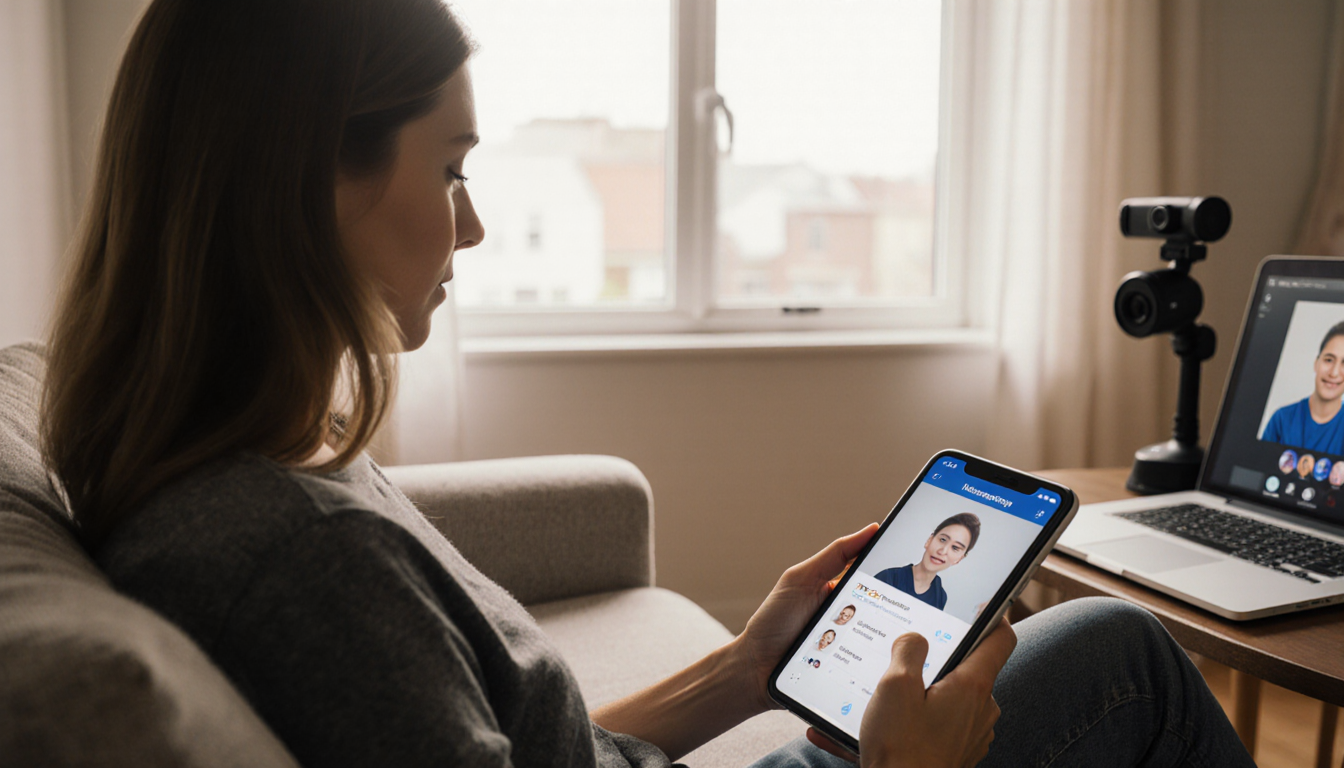

Teledermatology Protocols for Skin Disorder Follow‑Up: A Modern Guide
Teledermatology has moved from a niche curiosity to a mainstream tool in chronic skin care. When a patient’s rash, mole, or eczema needs ongoing monitoring, remote follow‑ups can be just as thorough as an in‑person visit—if the right protocols are in place. In this article we’ll break down the essential steps, highlight common pitfalls, and sprinkle in a few lighthearted moments to keep the tone engaging. Ready to make skin care a little less “sweat‑and‑scream” and a lot more “screen‑and‑sigh”?
Why Teledermatology Matters in Follow‑Up Care
The Digital Skin Exam
Imagine a dermatologist’s office as a bustling carnival. The waiting room is a maze of chairs, the exam room a bright booth where every detail counts. Teledermatology turns that carnival into a well‑organised digital fair—patients can “enter” from home, and the dermatologist can assess with the same precision, if not more, thanks to high‑resolution imaging.
Patient Comfort and Accessibility
Have you ever tried to schedule a follow‑up during a busy work week, only to find that the clinic’s hours are as flexible as a rubber band? Teledermatology eliminates that barrier. Patients can capture images and submit them at their convenience, reducing travel time and the dreaded “I’ll just wait until the next appointment” cycle. This convenience often translates into higher adherence to follow‑up schedules—a win for both patient and provider.
Core Components of Effective Teledermatology Protocols
High‑Resolution Imaging Standards
- Lighting: Use natural or soft white light to avoid harsh shadows.
- Focus: Ensure the lesion is in sharp focus; a blurry image is like a foggy window—no one sees what’s inside.
- Scale: Include a ruler or a standard coin for size reference.
Secure Data Transmission
The skin may be exposed, but the data should not be. Encrypt all images, use secure portals, and comply with HIPAA or local privacy regulations. Think of it as locking your diary before sending it to a friend.
Documentation and Coding
Accurate documentation is the backbone of any follow‑up. Use standardized codes (e.g., ICD‑10, CPT) to ensure billing accuracy and continuity of care. A neat record is like a well‑organized toolbox—every tool in its place.
Step‑by‑Step Workflow for Follow‑Up Visits
Pre‑Visit Preparation
- Patient Education: Provide a short guide on how to take a proper photo—angle, distance, and lighting.
- Consent: Obtain electronic consent for teledermatology services.
- Technical Check: Verify that the patient’s device meets minimum resolution requirements.
### In‑Clinic vs Remote Assessment
- In‑Clinic: The dermatologist can use dermoscopy or a handheld camera for deeper analysis.
- Remote: Rely on patient‑captured images, supplemented by video calls if necessary.
Post‑Visit Documentation and Follow‑Up
- Immediate Feedback: Send a summary within 24 hours—patients appreciate timely reassurance.
- Next Steps: Outline any additional tests, prescription changes, or next appointment dates.
Common Pitfalls and How to Avoid Them
Image Quality Issues
Low‑quality images can lead to misdiagnosis. Encourage patients to use a tripod or a steady hand and to review the photo before submission.
Legal and Privacy Concerns
Always stay updated on telehealth regulations. A small oversight can turn a smooth follow‑up into a legal headache.
Patient Engagement Challenges
Some patients may feel disconnected from a virtual visit. Use video calls to add a personal touch—after all, a good dermatologist should feel like a trusted friend, not a distant stranger.
Real‑World Anecdote: Mrs. Patel’s Melanoma Follow‑Up
Mrs. Patel, a 58‑year‑old teacher, had a suspicious mole removed last year. Her follow‑up was scheduled for a routine check, but she lived 120 miles away. With teledermatology, she simply snapped a photo and sent it to her dermatologist. Within hours, the dermatologist confirmed no changes, and Mrs. Patel could return to her classroom instead of driving to the clinic. “It felt like I was getting a second opinion without leaving my kitchen,” she joked.
Expert Insight: “The Skin is a Mirror” – Quote from Dr. Susan Smith
> “The skin reflects our overall health. When we use technology to monitor it, we’re not just looking at a surface—we’re peering into a window of wellness.” – Dr. Susan Smith, Dermatology Consultant
Future Trends and the Evolving Landscape
AI‑Assisted Diagnosis
Artificial intelligence can analyze images for subtle changes that may escape the human eye. Think of AI as the dermatologist’s secret magnifying glass—always ready to spot the faintest hint of a problem.
Wearable Skin Sensors
Imagine a patch that monitors moisture, temperature, and even pH levels of a lesion in real time. While still emerging, such devices could revolutionize remote monitoring, turning passive snapshots into continuous streams of data.
Making Your Teledermatology Protocols Work for You
The world of skin care is evolving, and teledermatology protocols for skin disorder follow‑up are at the forefront of that change. By establishing clear imaging standards, ensuring secure data handling, and maintaining thorough documentation, you can offer patients a seamless, effective follow‑up experience. Remember: technology is a tool, not a replacement for the human touch—so keep the conversations warm, the images sharp, and the follow‑ups timely.
Ready to upgrade your practice? Start by reviewing your current protocols, invest in a reliable telehealth platform, and train your team on best practices. Your patients will thank you, and your workflow will thank you too.