Eczema Skin Care Routine for Teenagers: A Practical Guide
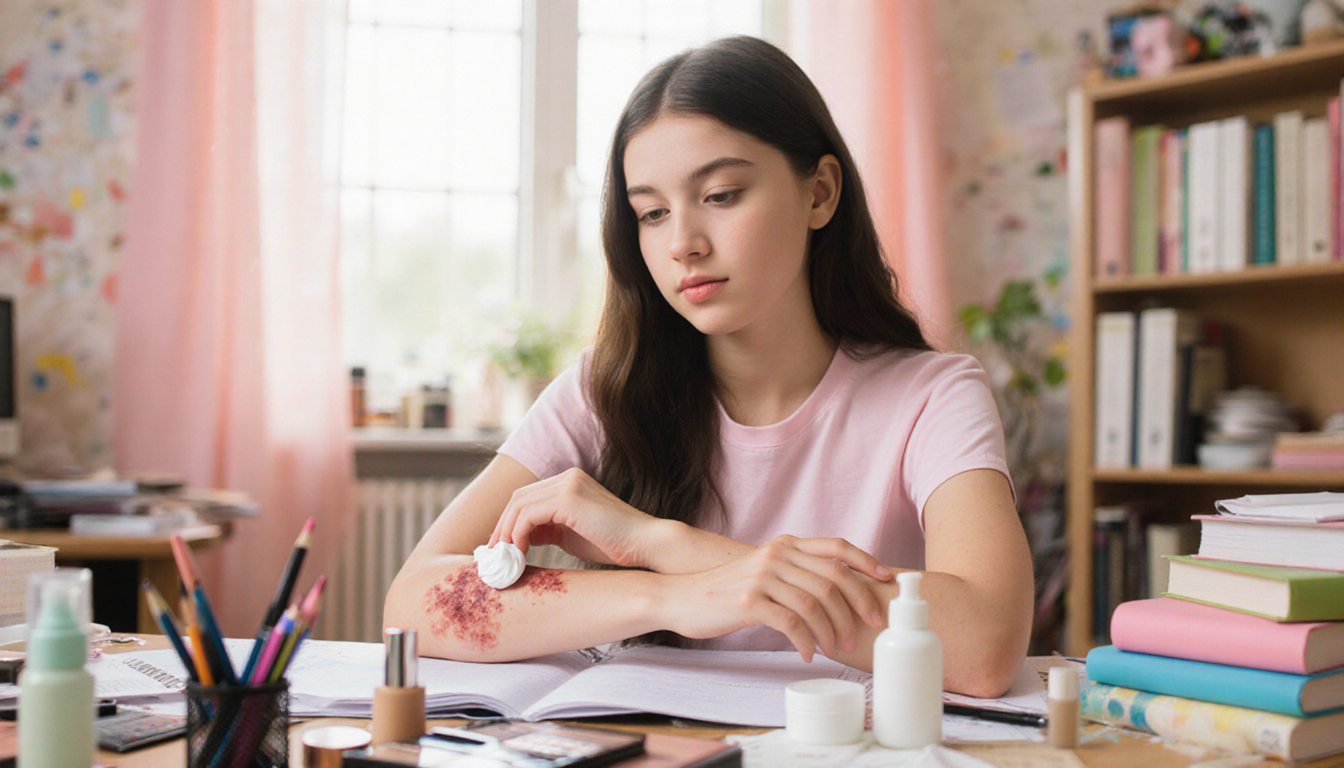
Eczema can feel like an uninvited guest that shows up at the worst times—just when you’re trying to nail a school project or ace a sports tryout. For teenagers, it’s not just about itchy patches; it’s about confidence, comfort, and the daily hustle of life. This article lays out a clear, step‑by‑step eczema skin care routine for teenagers, sprinkled with a bit of humor, a dash of real‑world anecdotes, and a few pearls of wisdom from the skin‑care pros.
—
Understanding Eczema in Teens
What Is Eczema?
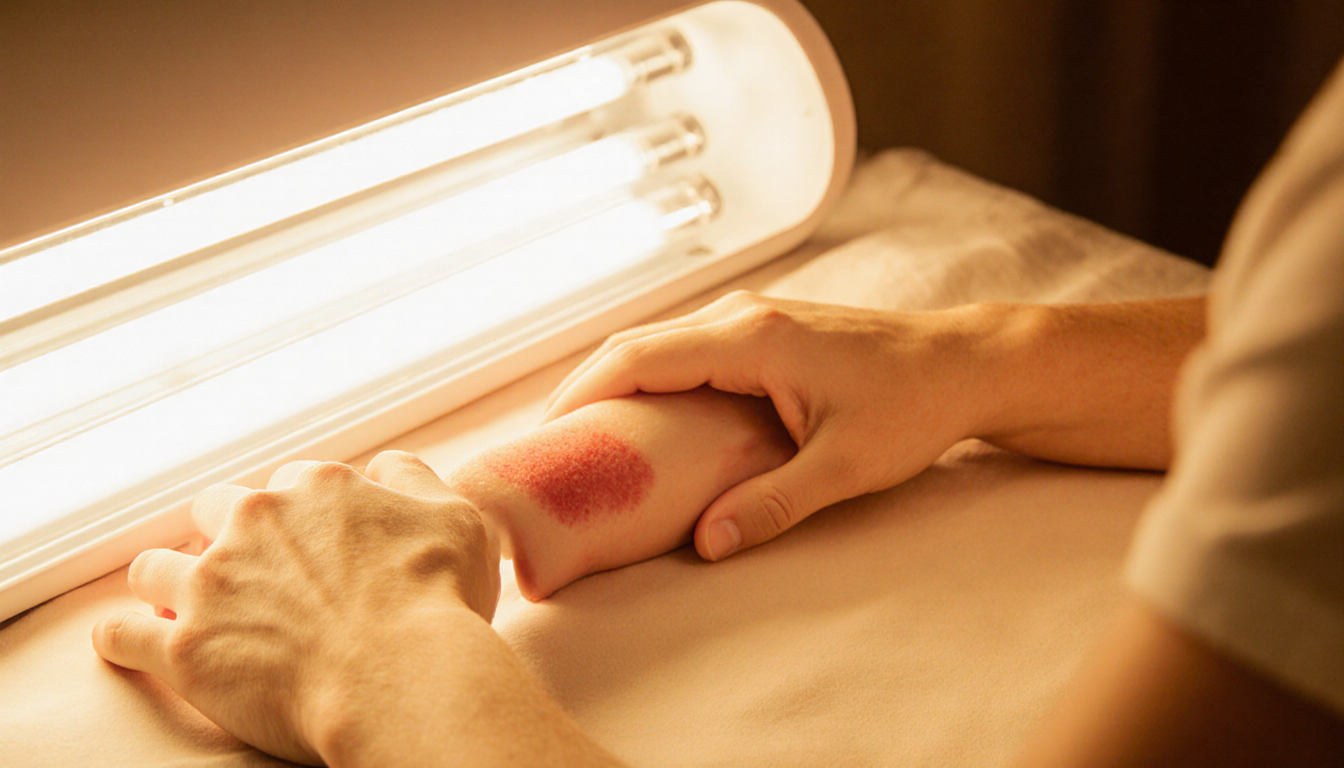
Eczema, or atopic dermatitis, is a chronic inflammatory skin condition that manifests as dry, red, and itchy patches. It’s like a storm that keeps coming back, even when you think you’ve tamed it. The exact cause is a mix of genetics, environmental triggers, and the skin’s barrier function.
Why Teens Are Especially Vulnerable
During adolescence, hormones surge, the skin thickens, and the body is in a constant state of change. These shifts can weaken the skin’s protective barrier, making it more susceptible to irritants and allergens. Add to that the stress of school, social media, and late‑night gaming, and you have a recipe for flare‑ups.
—
Building the Foundation: Daily Skincare Steps
Cleansing: Gentle but Effective
- Choose a fragrance‑free cleanser that’s formulated for sensitive skin.
- Use lukewarm water—think of it as a gentle hug rather than a scalding bath.
- Pat dry with a soft towel; never rub, as friction can aggravate eczema.
> “The first line of defense against eczema flare‑ups is a clean, calm canvas,” says Dr. Maya Patel, board‑certified dermatologist.
Moisturizing: Locking in Hydration
After cleansing, apply a thick, occlusive moisturizer. Look for ingredients like ceramides, petrolatum, or dimethicone. Think of moisturizer as a protective blanket that keeps the skin’s natural moisture from escaping.
- Apply immediately after cleansing—the skin is still slightly damp, so it’s easier for the product to seal in moisture.
- Reapply throughout the day if you’re in a dry environment or after swimming.
Targeted Treatments: Spot Care and Spotless Dreams
If you notice a particularly itchy spot, consider a spot treatment containing:
- Hydrocortisone 1% cream (for short‑term flare‑ups)
- Antihistamine gel (to calm itching)
- Natural oils (like coconut or almond) for a soothing alternative
Remember, “a stitch in time saves nine,” so treat spots promptly to prevent them from spreading.
—
Lifestyle Tweaks That Make a Difference
Diet and Hydration
What you eat can influence how your skin reacts. Some teens find relief by:
- Increasing omega‑3 fatty acids (found in salmon, walnuts, and flaxseed).
- Staying hydrated—aim for at least eight cups of water a day.
- Limiting sugary drinks that can trigger inflammation.
Stress Management
Stress is a known trigger for eczema flare‑ups. Simple practices like:
- Deep breathing exercises
- Short walks
- Mindful journaling
can help keep the skin calm and the mind at ease.
Sleep and Skincare
Good sleep is like a nightly spa treatment for your skin. Aim for 8–10 hours per night, and keep your bedroom cool and dust‑free.
—
When to Seek Professional Help
Recognizing Red Flags
- Persistent itching that doesn’t improve with over‑the‑counter creams.
- Signs of infection: increased redness, pus, or a foul odor.
- Severe swelling or blistering.
Choosing the Right Dermatologist
Look for a board‑certified dermatologist who specializes in pediatric or adolescent skin. Ask about:
- Allergy testing
- Prescription options
- Long‑term management plans
—
Common Mistakes to Avoid
Over‑Cleansing and Over‑Moisturizing
It’s tempting to scrub or slather on moisturizer, but too much can strip the skin of its natural oils and worsen eczema.
Skipping Sunscreen
Even if you’re indoors most of the day, UV rays can penetrate windows. Use a broad‑spectrum SPF 30+ and reapply every two hours when outside.
—
Making Your Selection Count
Below is a short list of recommended products that have earned rave reviews from teens and skin‑care experts alike:
- CeraVe Moisturizing Cream – rich in ceramides and hyaluronic acid.
- Aveeno Ultra‑Repair Cream – soothing oatmeal formula.
- Neutrogena Hydro Boost Gel‑Cream – lightweight yet effective.
- Burt’s Bees Baby Bee Butter – natural, gentle option for sensitive skin.
- EltaMD UV Clear Broad‑Spectrum SPF 46 – lightweight sunscreen that won’t clog pores.
> “Choosing the right products is like picking the right tools for a DIY project—each tool has its place,” notes Dr. Patel.
—
The Bottom Line: A Routine That Works
Eczema skin care routine for teenagers doesn’t have to feel like a chore. Think of it as a daily ritual that keeps your skin healthy, your confidence high, and your itch at bay. By cleansing gently, moisturizing generously, treating spots promptly, and making smart lifestyle choices, you’re setting the stage for smoother, happier skin.
Remember, skin health is a marathon, not a sprint. Start with these steps, adjust as you learn what works best for your body, and don’t hesitate to reach out to a professional if things get rough. Your skin—and your future self—will thank you.