
What to Expect During a Skin Disease Consultation
When you finally book that appointment, you might feel a mix of relief and nervousness—like standing in front of a mirror that might reveal a hidden treasure or a pesky stain. The skin, our largest organ, can whisper subtle clues about our health. A skin disease consultation is the first step toward decoding those clues. In this guide, we’ll walk through the typical flow of a visit, what questions you should ask, and how to make the most of the time with your dermatologist. By the end, you’ll feel prepared, informed, and a little less anxious about the next appointment.
The First Impression: Setting the Stage
The initial part of the visit is all about building rapport and gathering baseline information. Think of it as the “first chapter” of a mystery novel—every detail matters.
Medical History: Your Skin’s Backstory
- Past skin conditions: eczema, psoriasis, acne, or previous surgeries.
- Family history: genetic predispositions or common disorders.
- Lifestyle factors: diet, stress, sun exposure, and skincare routine.
- Medications: prescription drugs, over-the-counter creams, supplements.
Your dermatologist will ask you to describe symptoms in your own words. This narrative often reveals patterns that a checklist might miss. “What’s the story your skin is telling?” is a common opening line.
Physical Examination: A Close‑Up Look
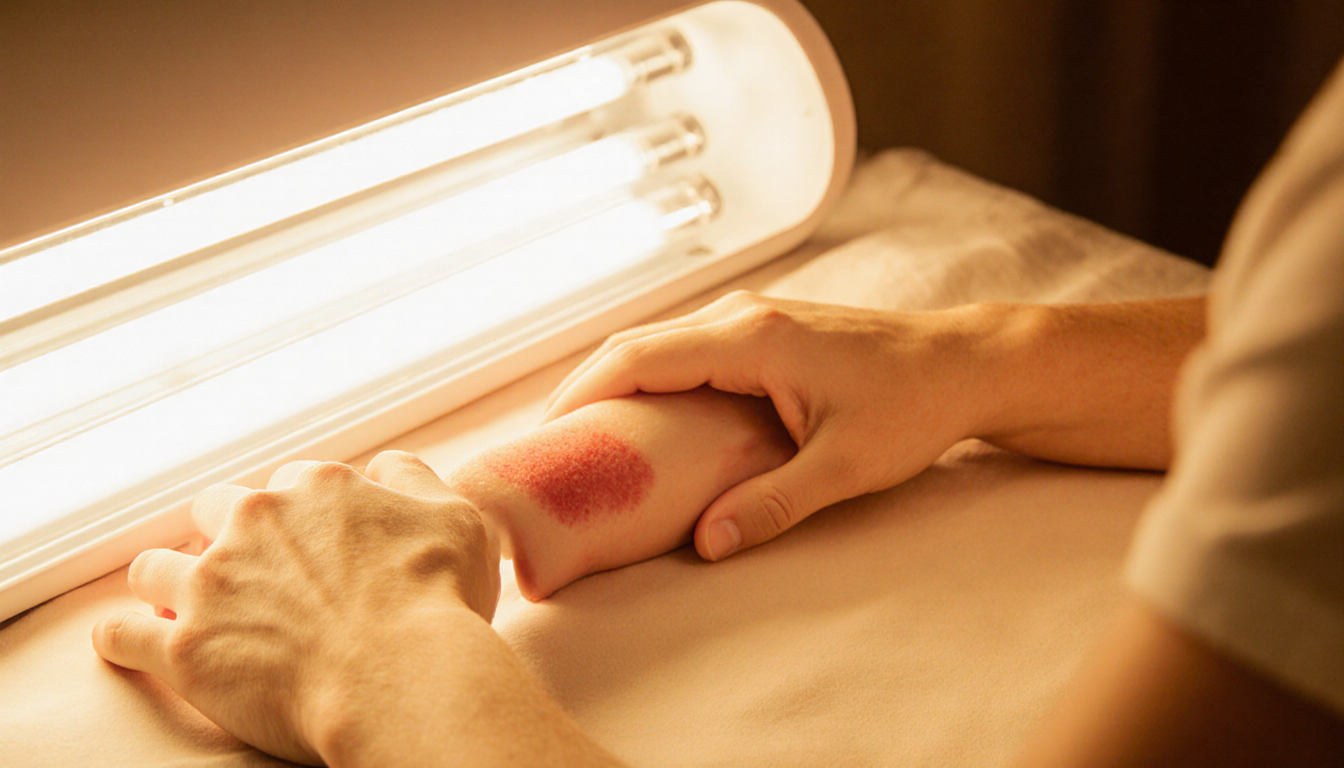
The clinician will perform a visual inspection, sometimes using a dermatoscope—an instrument that magnifies skin lesions. They may:
- Examine the distribution of rashes or bumps.
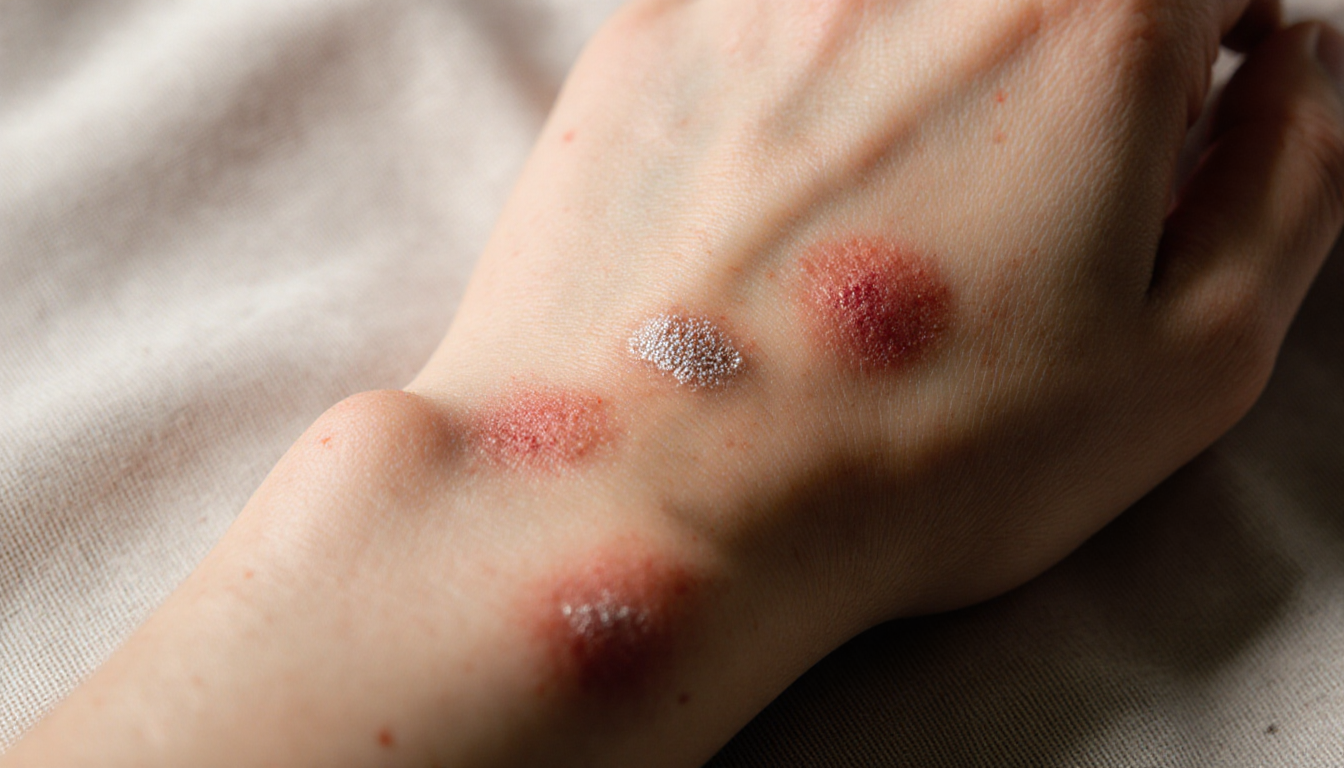
- Check for scaling, color changes, or ulceration.
- Assess lymph nodes if swelling is present.
During this stage, the dermatologist might gently press on lesions to gauge tenderness or firmness. If you’re nervous, remember: the clinician’s goal is to understand, not to judge.
Diagnostic Tests: Adding the Scientific Lens
Depending on the initial findings, the doctor may order:
- Skin biopsy: a small tissue sample for microscopic analysis.
- Blood work: to check for autoimmune markers or infections.
- Allergy testing: patch tests or skin prick tests for suspected triggers.
- Imaging: ultrasound or MRI if deeper structures are involved.
“Sometimes the skin is a window, and sometimes it’s a door,” says Dr. Maya Patel, a board‑certified dermatologist. “We need the right key to open it.”
What the Doctor Will Tell You
Once the examination and tests are complete, the conversation shifts from observation to explanation. This is where the word “what to expect during a skin disease consultation” becomes practical.
Diagnosis: Naming the Culprit
The dermatologist will explain the diagnosis in plain language. If the condition is complex, they might break it into manageable parts. For example:
- Atopic dermatitis: an allergic reaction causing itchy, inflamed patches.
- Melanoma: a malignant skin cancer that requires prompt treatment.
- Rosacea: chronic facial redness often triggered by heat or spicy food.
Treatment Plan: The Roadmap Ahead
A tailored plan follows, covering:
- Topical therapies: creams, ointments, or lotions.
- Oral medications: antibiotics, steroids, or biologics.
- Lifestyle modifications: diet changes, sun protection, stress management.
- Follow‑up schedule: when to return for reassessment.
You’ll also receive instructions on how to apply treatments correctly—an essential step that many patients overlook.
Prognosis and Expectations
Your dermatologist will discuss likely outcomes, potential side effects, and realistic timelines. “It’s like planting a garden,” they might say. “Some plants need weeks to bloom, others take years, but with the right care, they thrive.”
Empowering Yourself: Questions to Ask
Feeling prepared with a list of questions can transform a passive visit into an engaging dialogue.
- How long will the treatment take to show results?
- What are the potential side effects, and how can I manage them?
- Are there lifestyle changes that could speed up recovery?
- What should I do if my symptoms worsen?
- Is there a support group or educational resource you recommend?
Asking these questions not only clarifies the plan but also signals to the clinician that you’re actively involved in your care.
The Role of Humor: Lightening the Load
Skin concerns can feel like a heavy weight, but a touch of humor can ease the tension. A dermatologist might joke, “If your skin were a movie, it would be ‘The Great White Spot’—but we’re here to change the genre!” Light humor breaks the ice, making the experience less intimidating.
Anecdote: A Real‑Life Skin Story
I once met a patient named Elena who had been dealing with a persistent rash for years. She’d tried every over‑the‑counter cream, yet nothing worked. During her consultation, the dermatologist asked her to describe the rash in detail. Elena said, “It feels like a tiny army marching across my skin.” That simple metaphor helped the doctor identify a case of psoriasis and start a targeted therapy. Elena’s skin cleared in weeks, and she left the clinic laughing, saying, “I finally have a new ‘army’—one that’s actually helpful!”
Quote: Wisdom from the Field
“Your skin is the first thing people see. Treat it with respect, and it will reflect your inner health,” reminds Dr. Patel. This reminder underscores the importance of proactive care and regular consultations.
Rhetorical Questions: Stirring Curiosity
- Have you ever wondered why a simple rash can signal a deeper health issue?
- What if the right dermatologist could turn your skin’s story into a hopeful narrative?
- Could a routine visit prevent a future complication?
These questions invite readers to reflect on their own skin health and consider the value of professional guidance.
Metaphors and Idioms: Making It Relatable
- “The skin is a living map, and each mark is a landmark.”
- “A rash can be a storm in a teacup—small but potentially powerful.”
- “Treating skin disease is like tuning a piano; each note (treatment) must be precise.”
Such imagery helps readers visualize complex medical processes in everyday terms.
Making Your Selection Count
Choosing the right dermatologist and setting realistic expectations can dramatically improve outcomes. When you arrive for the next appointment, bring:
- A list of current medications and skincare products.
- Any recent photos of skin changes (if you’re comfortable).
- A notebook to jot down questions and notes.
Remember, the consultation is a partnership. Your active participation turns a routine visit into a collaborative effort toward healthier skin.
—
By understanding what to expect during a skin disease consultation, you can walk into your appointment with confidence. The process—history, examination, diagnosis, treatment—may seem daunting, but it’s simply a structured dialogue between you and your clinician. Armed with the right questions, a dash of humor, and an open mind, you’ll navigate the journey from uncertainty to clarity, and ultimately, to better skin health.