Best Moisturizers for Dry Eczema Skin: A Guide to Smooth, Happy Skin
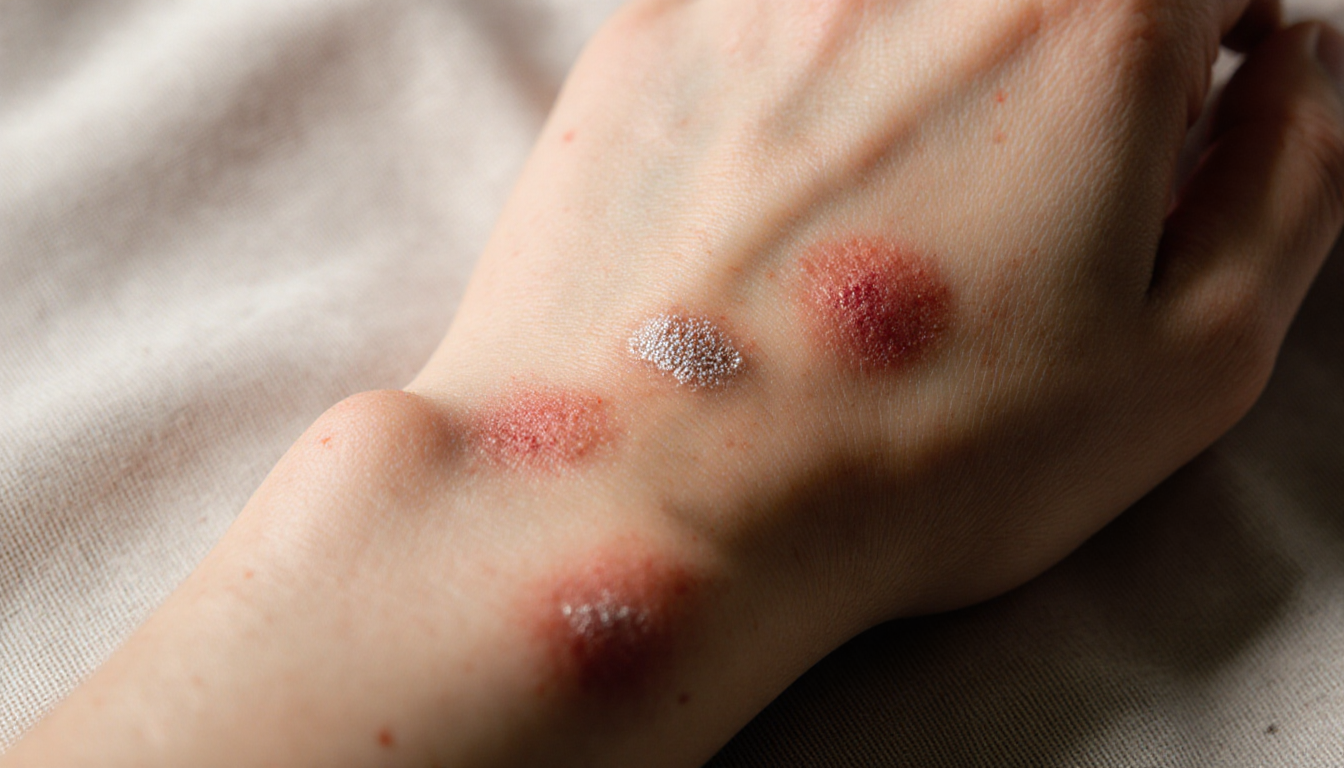
Living with eczema can feel like your skin is auditioning for a role in a dramatic soap opera—red, itchy, and always ready for the next episode. If you’re searching for the best moisturizers for dry eczema skin, you’re not alone. The right product can turn your daily routine from a chore into a soothing ritual. In this article, we’ll dive into why dry eczema skin behaves the way it does, what ingredients truly make a difference, and how to choose, apply, and pair moisturizers with lifestyle tweaks for lasting relief.
Why Dry Eczema Skin Needs Special Care
The Science Behind Dryness
Eczema, or atopic dermatitis, is more than just a flaky patch on your arm. It’s a complex condition where the skin’s barrier—its protective outer layer—fails to lock in moisture. Think of it as a leaky roof: water (in this case, hydration) escapes, leaving the interior (your skin) exposed to harsh elements. The result? A dry, itchy, inflamed landscape that invites flare‑ups.
The Impact on Daily Life
Beyond the physical discomfort, dry eczema skin can erode confidence. A quick glance in the mirror might reveal redness that feels like a spotlight on a stage you never auditioned for. That’s why the quest for the best moisturizers for dry eczema skin isn’t just about comfort—it’s about reclaiming control.
What Makes a Moisturizer Truly Effective
Key Ingredients to Look For
- Ceramides – Rebuild the skin’s barrier like a construction crew.
- Hyaluronic acid – Holds up to 1,000 times its weight in water; the ultimate hydrator.
- Glycerin – A gentle humectant that pulls moisture from the air.
- Oatmeal or colloidal oatmeal – Calms inflammation with anti‑irritant properties.
- Shea butter or cocoa butter – Provides a protective film that seals in hydration.
These ingredients work in harmony to soothe, repair, and guard against future dryness. When you see them listed, you’re already one step closer to the best moisturizers for dry eczema skin.
Formulation Factors That Matter
- Non‑comedogenic – Won’t clog pores; important for sensitive skin.
- Fragrance‑free – Fragrances can trigger flare‑ups in many eczema sufferers.
- Alcohol‑free – Alcohol dries out the skin like a desert wind.
- Texture – Creams and ointments are ideal for severe dryness; lotions suit lighter needs.
Choosing a product that balances these factors ensures you’re not just applying moisturizer—you’re applying a tailored defense system.
Top Picks for the Best Moisturizers for Dry Eczema Skin
Creams that Calm and Hydrate
- CeraVe Moisturizing Cream – Packed with ceramides and hyaluronic acid, it’s a staple for many dermatologists.
- Eucerin Advanced Repair Cream – Features ceramides and natural moisturizing factors that mimic the skin’s own chemistry.
These creams provide thick, emollient layers that cling to the skin, ideal for nighttime or after a bath.
Ointments and Butters for Intense Dryness
- Aquaphor Healing Ointment – A classic choice; its petrolatum base creates a protective barrier.
- Burt’s Bees Beeswax Lip Balm (extended use) – Though marketed for lips, its beeswax and shea butter blend works wonders on exposed areas.
Ointments are like a raincoat for your skin—perfect when you’re battling extreme dryness or need extra protection during winter.
Lightweight Lotions for Daily Use
- Aveeno Daily Moisturizing Lotion – Contains colloidal oatmeal for gentle soothing.
- Neutrogena Hydro Boost Gel‑Cream – A gel‑cream hybrid that delivers hyaluronic acid without heaviness.
For those who prefer a less greasy feel, these lotions are a practical choice for everyday wear.
How to Apply Moisturizer Like a Pro
Timing and Frequency
- After a shower or bath – Your skin is still damp; this is the prime time for absorption.
- Every 3–4 hours during the day – Reapply to keep moisture locked in.
- Before bed – A thicker layer overnight gives the skin time to repair.
The goal is to create a continuous barrier, preventing moisture loss.
Techniques That Maximize Absorption
- Pat, don’t rub – Gentle patting helps the product spread evenly without irritating.
- Use upward strokes – Mimics natural skin movement, promoting circulation.
- Don’t skip the neck and chest – These areas often harbor flare‑ups but are overlooked.
By mastering these simple steps, you’ll feel the difference in just a few weeks.
Lifestyle Tweaks That Complement Moisturizing
Diet and Hydration
- Water intake – Aim for 8–10 glasses a day; hydration starts from within.
- Omega‑3 fatty acids – Found in salmon, flaxseed, and walnuts; they support skin barrier function.
- Avoid trigger foods – Dairy, gluten, or processed sugars may worsen eczema in some individuals.
A balanced diet fuels the skin’s natural repair processes, giving your moisturizer more to work with.
Stress Management
- Mindfulness or meditation – Stress can trigger flare‑ups; a calm mind supports calm skin.
- Regular exercise – Improves circulation, helping nutrients reach skin cells.
- Adequate sleep – A good night’s rest is the skin’s nightly spa session.
When you pair these habits with a quality moisturizer, you’re tackling eczema from both inside and out.
Common Mistakes and How to Avoid Them
Over‑washing and Over‑exposure
- Too many showers – Hot water strips natural oils; opt for lukewarm water and limit to 10–15 minutes.
- Harsh cleansers – Choose mild, fragrance‑free soaps to keep the barrier intact.
Skipping the Night Routine
- Leaving skin bare – Your skin repairs itself during sleep; neglecting a nightly moisturizer is like leaving a car on an empty gas tank.
By avoiding these pitfalls, you keep your skin’s defenses strong.
Making Your Selection Count
Choosing the best moisturizers for dry eczema skin isn’t a one‑size‑fits‑all decision. It’s a personal journey that blends science, texture preference, and lifestyle. Remember the quote that often floats around dermatology circles: “Healing comes from within.” While a great moisturizer is a powerful ally, the foundation of lasting relief lies in how you treat your skin day in and day out.
Start by testing a small patch of each product—watch how your skin reacts over a week. Pay attention to texture, scent, and the “feel” after application. If a cream feels like a heavy coat in summer, a lotion might be more suitable. If an ointment feels too greasy for daytime, try it only at night.
Once you’ve found your match, integrate it into your routine with the techniques discussed above. Pair it with the lifestyle tweaks, and you’ll create a synergistic effect that can reduce flare‑ups, ease itching, and restore confidence.
So, the next time you’re scrolling through the shelves or online listings, remember: the best moisturizers for dry eczema skin are those that respect your skin’s unique needs, support its barrier, and fit seamlessly into your daily life. Take that first step—your skin will thank you, and you’ll finally feel like you’re in control of the drama, not the star of it.