
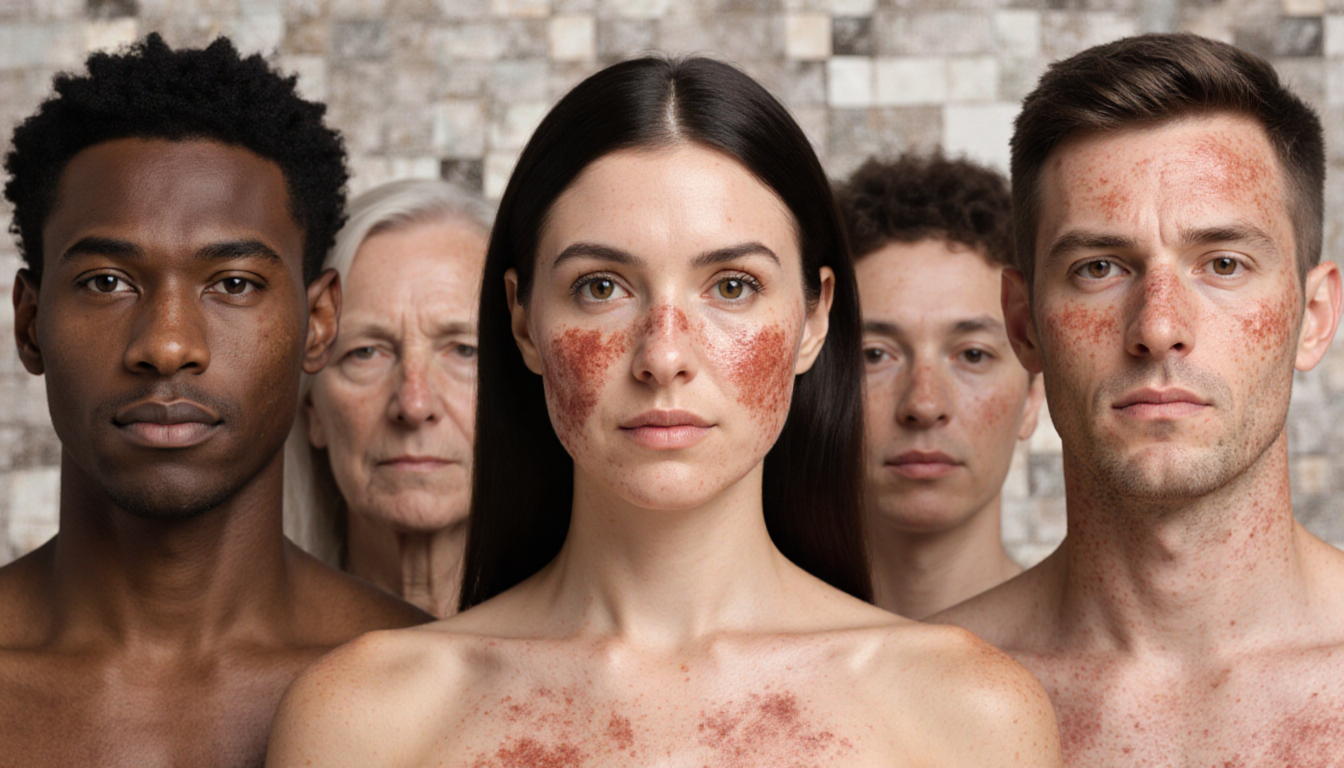
Skin Disease Myths Debunked: The Truth Behind Common Misconceptions
When we think of skin problems, the image that pops into mind is often a teenage face with stubborn pimples or a middle‑aged adult with a stubborn rash. In reality, skin diseases can affect anyone, at any age, and the myths that surround them can be as stubborn as the conditions themselves. Let’s cut through the fluff and reveal the facts that will keep your skin—and your confidence—clear.
Why Myths About Skin Diseases Persist
The Role of Social Media
In the age of Instagram filters and TikTok beauty hacks, misinformation spreads faster than a viral meme. A single post claiming that “whiteheads disappear in 24 hours with lemon juice” can be shared thousands of times before a dermatologist has a chance to weigh in. The problem isn’t the platform itself but the human tendency to share what feels hopeful rather than what feels true.
Cultural Influences
Across cultures, skin health is tied to beauty standards and social status. In some societies, a clear complexion is a sign of wealth and good upbringing, leading people to adopt extreme measures—like over‑exfoliation or using harsh chemicals—to achieve it. These practices, often rooted in myth, can do more harm than good.
Top Skin Disease Myths and the Facts That Set Them Straight
Myth 1: Acne Is Only a Teenager Problem
> Fact: Acne can flare up at any age, especially during hormonal shifts such as menopause or stress‑induced cycles. A 48‑year‑old woman might find her skin suddenly breaking out after a stressful job change.
Myth 2: Oily Skin Means You Should Avoid Moisturizers
> Fact: Skipping hydration can backfire. Oily skin often overcompensates, producing even more oil when it feels dehydrated. Look for lightweight, oil‑free formulas that keep the skin balanced.
Myth 3: All Skin Rashes Are Infections
> Fact: Rashes can stem from allergies, autoimmune disorders, or even stress. A rash that looks like eczema but persists despite over‑the‑counter creams might actually be psoriasis or contact dermatitis.
Myth 4: Sun Exposure Is Always Bad
> Fact: Controlled, short‑term sun exposure can boost vitamin D levels, which are linked to improved skin barrier function. However, excessive UV radiation increases the risk of skin cancer, so sunscreen remains essential.
How to Spot a Reliable Source of Skin Health Information
- Check credentials: Look for authors with dermatology degrees or affiliations with recognized medical institutions.
- Search for peer‑reviewed studies: Reliable articles cite recent research rather than anecdotal evidence.
- Beware of “quick fixes”: If a claim promises overnight results, it’s likely a myth or a marketing ploy.
- Consult multiple sources: Cross‑referencing helps filter out sensationalized headlines.
Practical Tips for Managing Skin Conditions Without Falling for Fads
- Establish a gentle routine: Cleanse twice daily with a non‑abrasive cleanser; moisturize after each wash.
- Patch test new products: Apply a small amount on the inner forearm before using it on your face.
- Use broad‑spectrum sunscreen: SPF 30 or higher protects against UVA and UVB rays.
- Maintain a balanced diet: Foods rich in omega‑3 fatty acids, antioxidants, and vitamins A, C, and E support skin health.
- Stay hydrated: Water is the simplest moisturizer from the inside out.
When to Seek Professional Help
Signs That Your Skin Needs a Dermatologist
- Persistent redness or swelling that doesn’t improve with over‑the‑counter creams.
- Unexplained itching or pain that interferes with daily life.
- New growths or changes in moles, especially if they become irregular or bleed.
The Importance of a Correct Diagnosis
A proper diagnosis ensures you receive the right treatment and avoids unnecessary self‑medication. As dermatologists say, “A misdiagnosis can turn a simple skin issue into a chronic problem.” (– Dr. Elena Ruiz, MD)
Final Thoughts: Keep Your Skin (and Mind) Clear
The journey to healthy skin is less about chasing the next miracle product and more about understanding the science behind the myths. Remember, skin is a living organ that reacts to internal and external changes. By questioning the rumors, consulting reputable sources, and treating your skin with the care it deserves, you’ll be better equipped to spot the real signals and ignore the rest.
Isn’t it time we treated skin health with the same seriousness we give to our hearts and minds? Take a moment today to review your routine, ask your dermatologist about any lingering concerns, and embrace the truth that your skin can thrive when you separate fact from fiction.