What Are the Early Signs of Psoriasis? Spotting the Red Flags Before They Turn Into Full‑Blown Flare‑Ups
Psoriasis is that stubborn skin condition that can pop up like an unexpected guest at a party—uninvited, itchy, and often hard to ignore. If you’re noticing odd patches or tiny red spots that don’t seem to fade, you might be wondering, “What are the early signs of psoriasis?” This article will walk you through the subtle clues, explain why they matter, and give you practical next steps—all while sprinkling in a touch of humor to keep the mood light.
—
The First Glimpse: Tiny Red Spots and Tiny Red Spots
The “Red Carpet” Effect
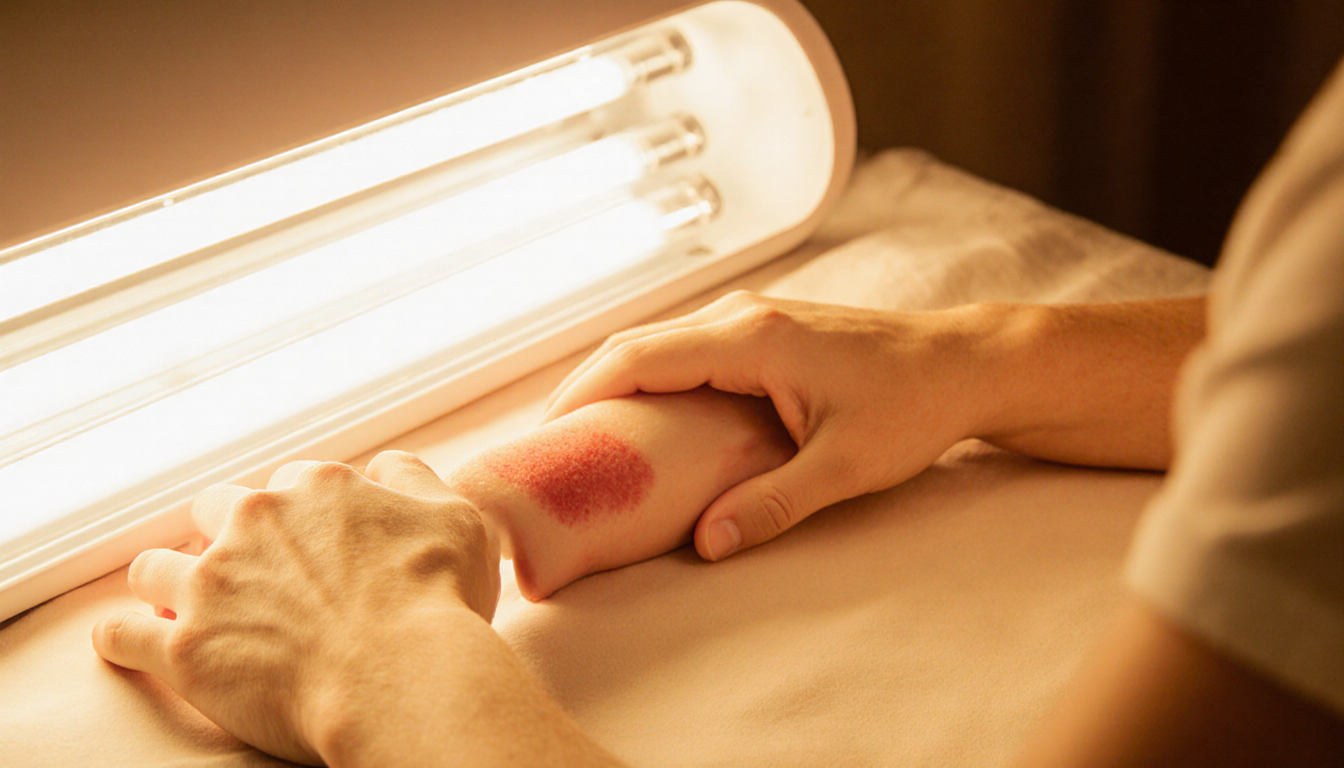
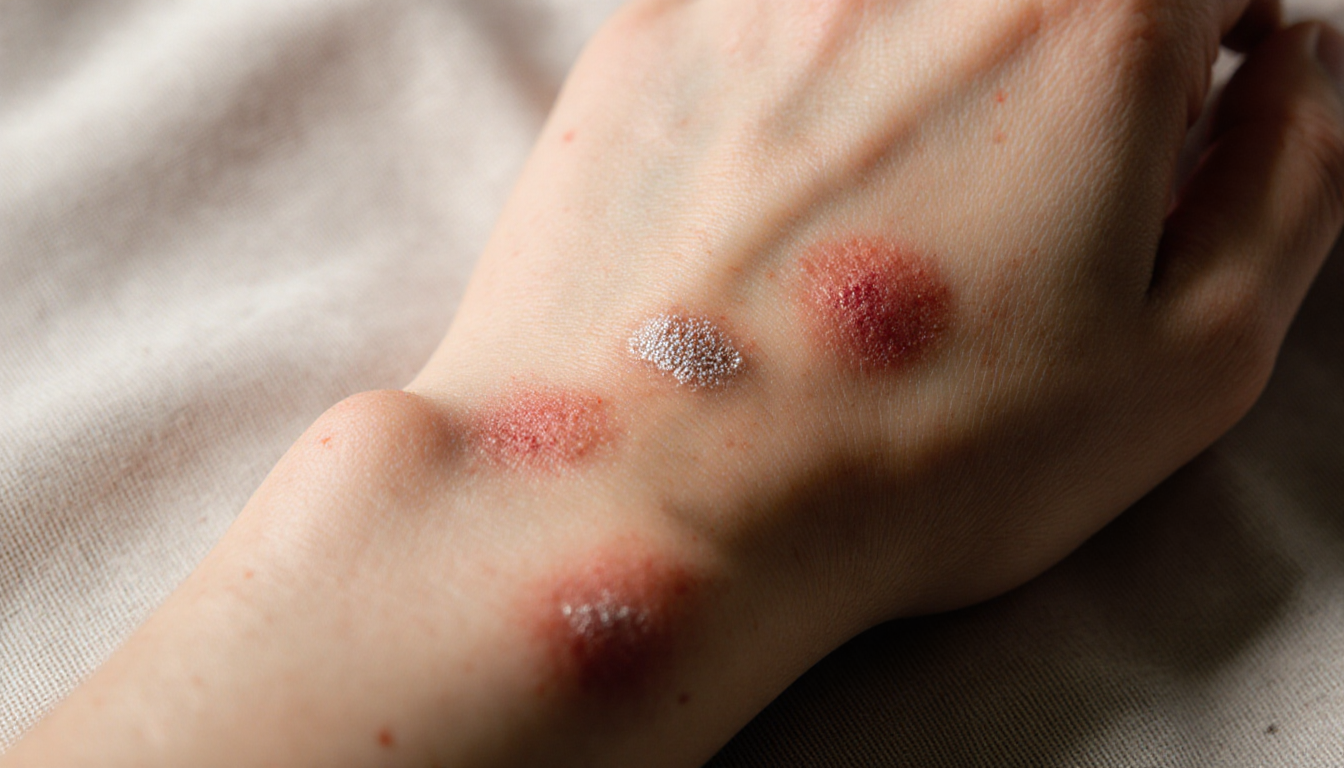
The earliest signs often appear as small, bright red bumps or patches. Think of them as the “red carpet” that’s been laid out for a grand entrance. These spots usually:
- Occur on the scalp, elbows, knees, or lower back
- Feel slightly itchy or tender
- Disappear after a few days if left alone
If you notice a cluster of these spots that don’t vanish, it’s worth keeping an eye on them. Remember, early detection is like catching a fire before it turns into a bonfire—much easier to manage.
Riddle Me This: Are They Really Psoriasis?
You might ask, “Could this just be eczema or an allergic reaction?” Good question! While eczema can look similar, psoriasis spots are typically more well‑defined, with a clear border. Eczema often spreads more diffusely and may be accompanied by a rash that’s more watery or crusty. A quick comparison can help you decide whether to seek professional advice.
—
The Texture Twist: From Rough to Silky
The “Peeling” Story
As psoriasis progresses, the skin may develop a silvery scale. This is the classic “peeling” effect that can make you feel like you’re wearing a winter coat on a summer day. The texture shift from smooth to rough is a key indicator that the condition is moving beyond the initial red spots.
- Silvery scales that can be gently brushed off
- Dry, cracked skin that may bleed if rubbed
- Localized thickening that feels like a small bump
If you’re scratching at a patch and noticing flakes, that’s a sign the immune system is doing a little extra work in that area.
Metaphor Time: Skin as a Canvas
Imagine your skin as a canvas. Psoriasis turns portions of that canvas into a textured, layered surface—much like a painter adding impasto. The early signs are the first brushstrokes that hint at a larger picture.
—
The Systemic Whisper: Symptoms Beyond the Skin
Itchy, Itchy, Itchy
Itching is a common early symptom. It can be mild at first but may intensify. Think of it as a persistent, low‑level buzz in the background of a song—annoying but not yet a full‑blown chorus.
Joint Pain and Swelling
Some people experience joint discomfort early on, a condition known as psoriatic arthritis. The joint pain might appear as a dull ache or a sharp sting, often in the fingers or toes. This early sign can be subtle, like a faint echo in a room that’s otherwise quiet.
—
When to Call the Doctor: Timing Is Everything
Riddle Me Again: How Long Is Too Long?
If you’ve had red patches for more than two weeks, or if they’re spreading or getting thicker, it’s time to schedule a dermatologist visit. Waiting too long can allow the condition to develop into a more severe flare‑up, making treatment more complex.
Anecdote: The “Oops, I Forgot My Appointment”
I once met a friend who waited until her scalp was so itchy that she could no longer focus on her work. She finally booked an appointment and discovered she had mild psoriasis. The lesson? Early intervention is the best way to keep the condition from becoming a full‑on stage show.
—
Lifestyle Tweaks: Small Changes, Big Impact
Moisturizing Like a Pro
Keeping skin hydrated can reduce redness and itching. Think of moisturizers as a soft blanket for your skin—warm, comforting, and protective. Apply after showering to lock in moisture.
- Use fragrance‑free creams to avoid irritation
- Apply to damp skin for maximum absorption
- Consider oat‑based products for their soothing properties
Stress Management: The Calm Before the Storm
Stress can trigger or worsen psoriasis. Treat it like a storm that you can weather by practicing mindfulness, yoga, or simply taking a walk. A calm mind often translates to calmer skin.
—
The Bottom Line: Recognizing the Early Signs
Psoriasis can sneak up on you, but the early signs—tiny red spots, silvery scales, itching, and sometimes joint discomfort—serve as warning signals. By catching these clues early, you can take action before the condition escalates. Think of it as spotting a leak before the house floods.
*“Early detection is the best defense against the storm.”* – A wise dermatologist once said this, and it rings true for anyone dealing with skin conditions.
—
Taking the First Step: Your Skin’s Personal Trainer
Now that you know what to look for, the next step is simple: observe, document, and act. Keep a small notebook or use a phone app to track any new or changing patches. If you see patterns or worsening symptoms, schedule a dermatology appointment.
Your skin deserves the best care—don’t let the early signs of psoriasis go unnoticed. The sooner you act, the smoother the journey toward healthy, comfortable skin.